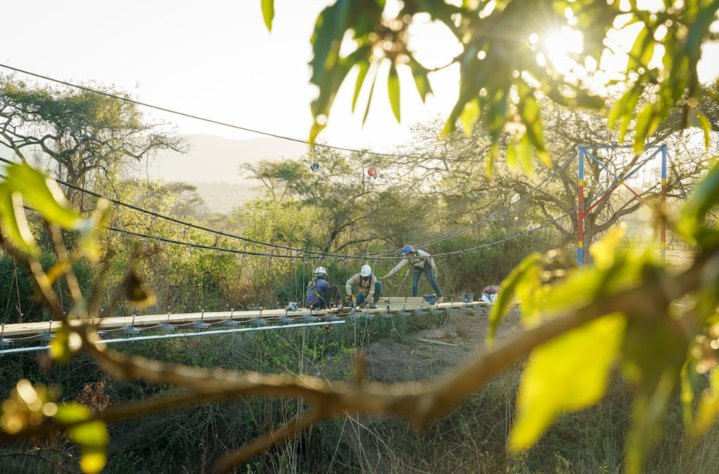
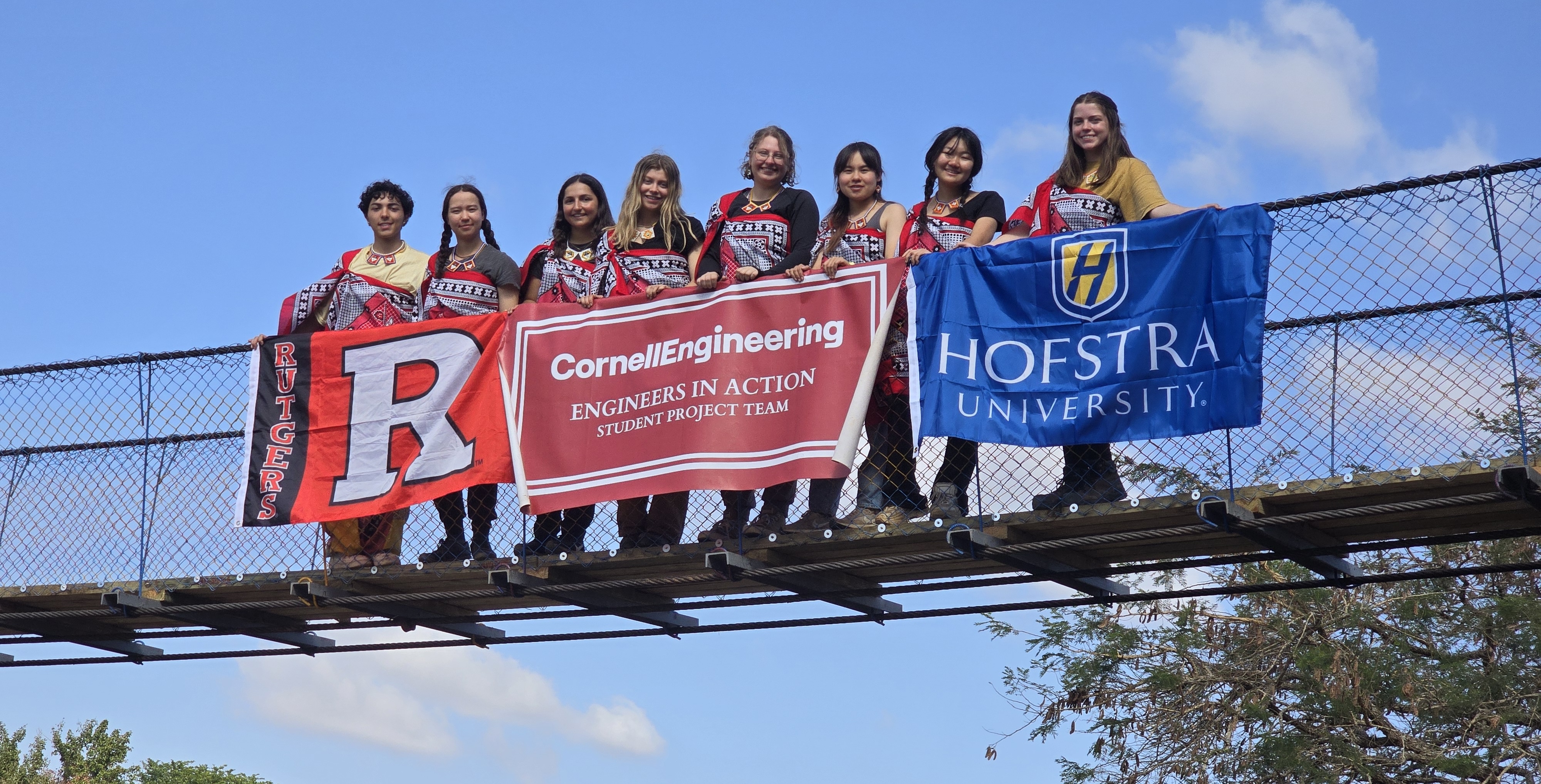
In the summer of 2025, our Bridge team sent eight students, in partnership with students from University College London and the University of Southern Indiana, to Eswatini for eight weeks. This was EIA's pilot student-led suspension bridge project, and it helped thousands of community members gain access to towns, schools, and neighboring communities, especially during the rainy season when crossing the river is dangerous. Compared to the suspended bridges we had built in the past, these bridges provide greater clearance over the water level, and allow us to meet the needs of a wider range of sites. Suspension bridges are more technically challenging to design and construct, and have given our team an opportunity to learn new skills.
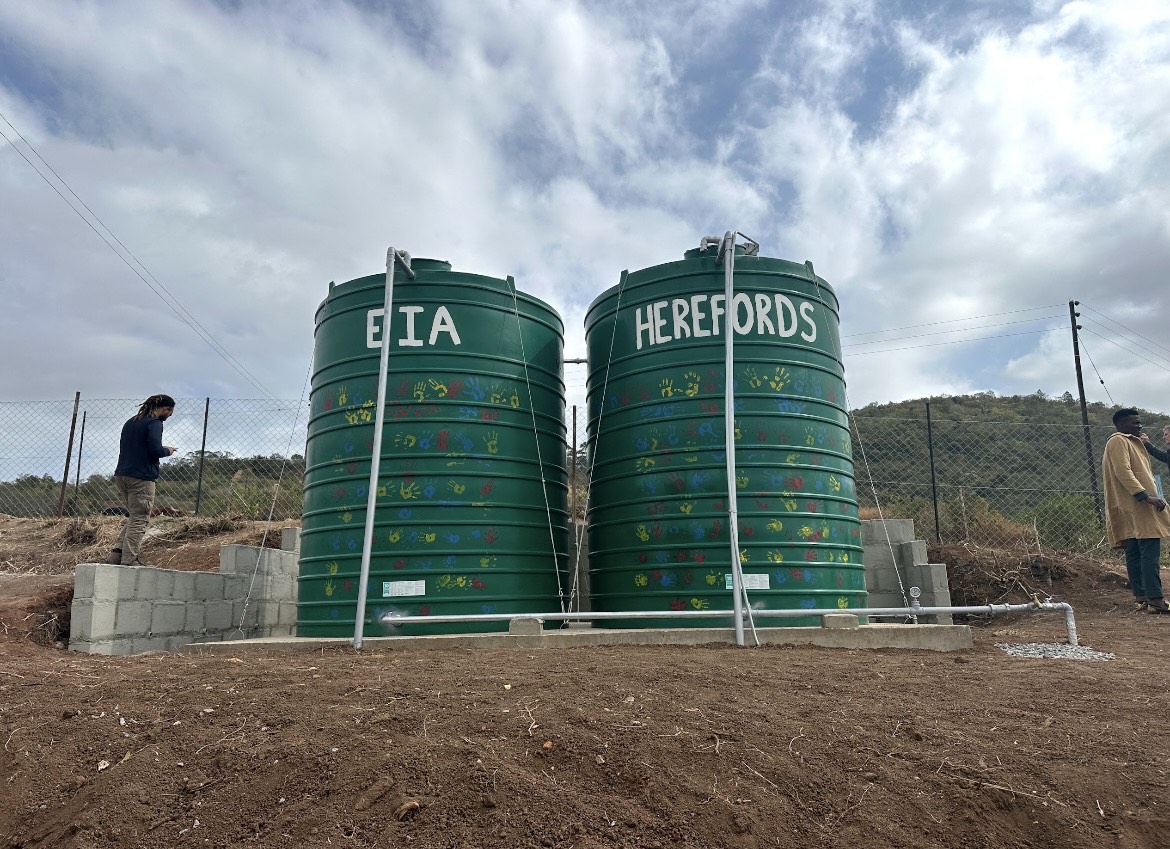
In the summer of 2025, we sent six students in collaboration with with six students from Duke University to Herefords, a town in northern Eswatini. The system provided clean, consistently available water to 300 students, teachers, and staff, improving public health outcomes through a solar-powered well with a 10,000 liter storage and distribution capacity.
In the summer of 2024, our team built the Jolitane footbridge in the Kingdom of Eswatini. Our team sent six Cornell students where they spent eight weeks turning designs into reality. Collaborating closely with local masons and community members, our team successfully erected a footbridge spanning the Mbuluzi River. This river is dangerous to cross all year round, but completely impassable during the rainy seasons, when floods can last nearly a week. There have been 10 injuries and 12 deaths sustained in the past 3 years due to these conditions. Our footbridge now provides a safer alternative for members of the community, and would help connect thousands of people to schools, clinics, markets, and maize fields that provide a majority of the community members with jobs.
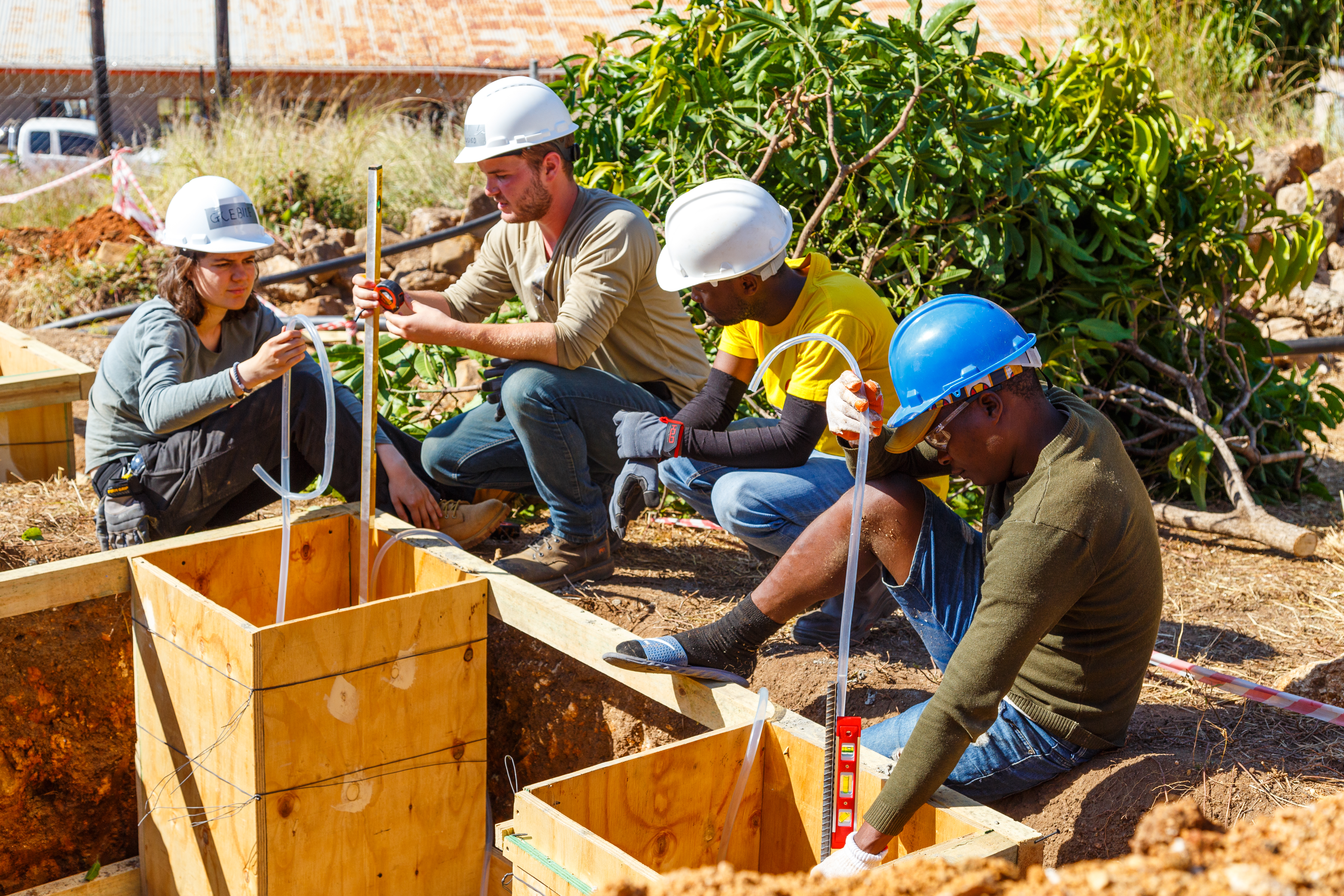
In the summer of 2024, we also piloted a WASH (Water, Sanitation, and Hygiene) project, where we installed pumps and distribution systems at Matfuntini Primary School. Six Cornell students worked on this project last summer with community members to bring clean groundwater to the school's children and teachers. Having clean and safe water is a crucial human right and is essential for physical health and well-being. Our WASH system helps alleviate their daily stresses of accessing water.
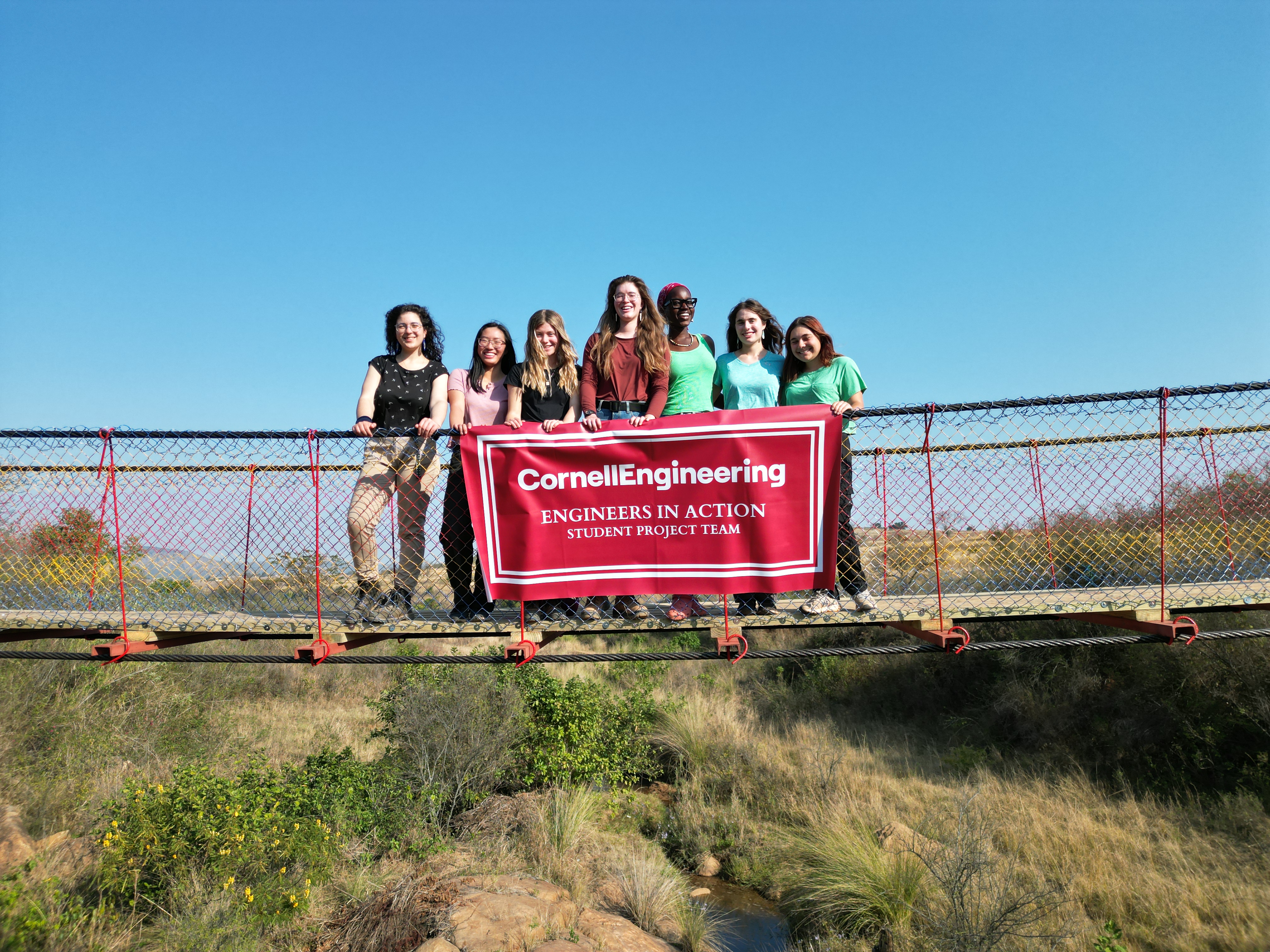
In the summer of 2023, our team built the Mandlakhe bridge in the Kingdom of Eswatini. Our team sent seven Cornell students, for six weeks. Collaborating closely with local masons and community members, our team successfully erected a 50-meter suspended cable bridge spanning the Mhlanga River. This remarkable structure now provides vital access for more than 2,800 residents from the Mahlalini and Skhotseni communities to essential resources and opportunities, including clinics, schools, bus stops, maize fields, and community events.
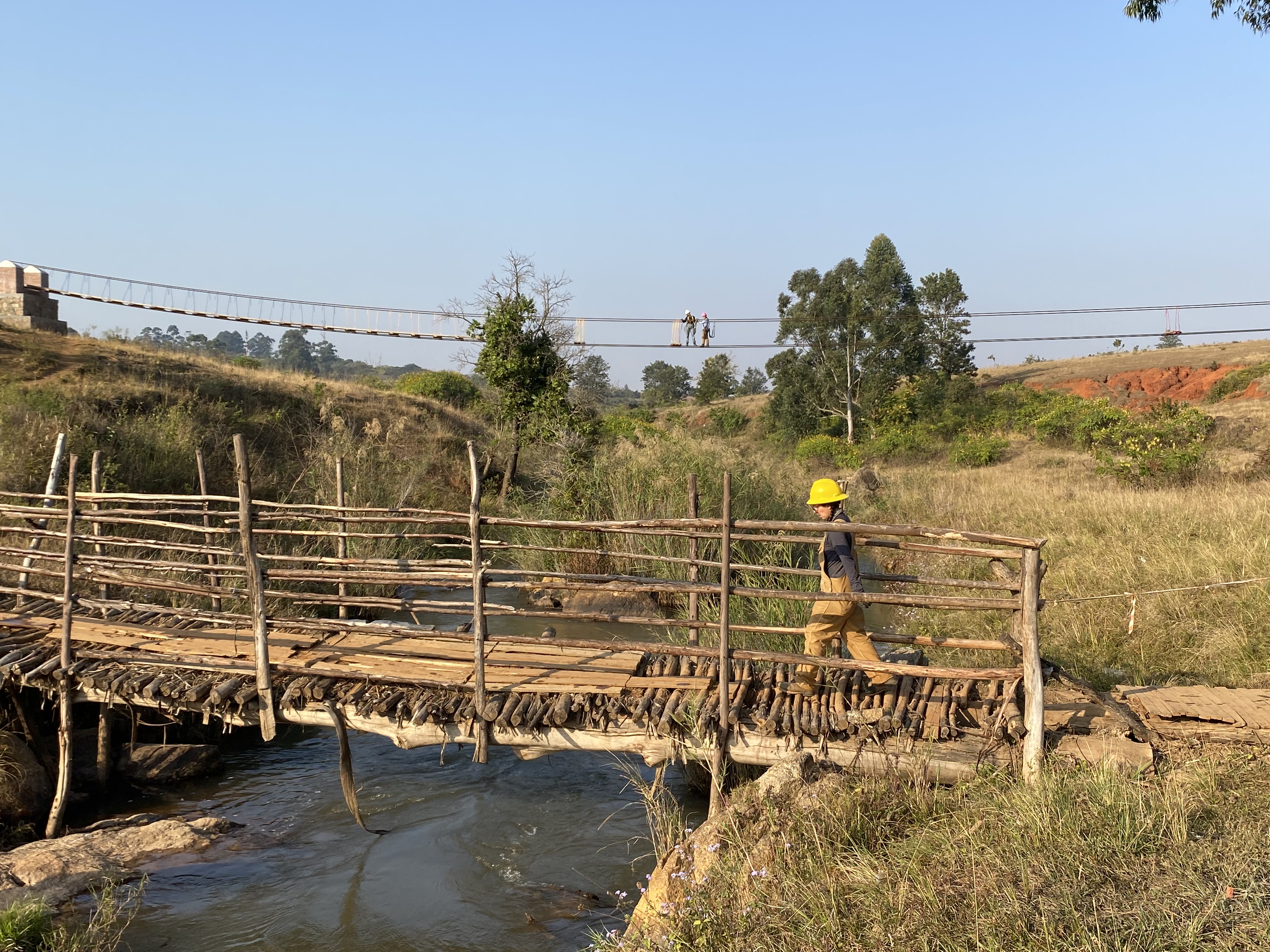
After two years of not being able to travel due to the COVID-19 pandemic, our team completed another bridge in summer 2022. Our team sent five students to the Kingdom of Eswatini for six weeks. The team worked with the Boyane and Zombodze communities to build a 100 meter footbridge that crosses the Mtilane River, which will help over 2,000 people including 1,200 schoolchildren cross the river safely.
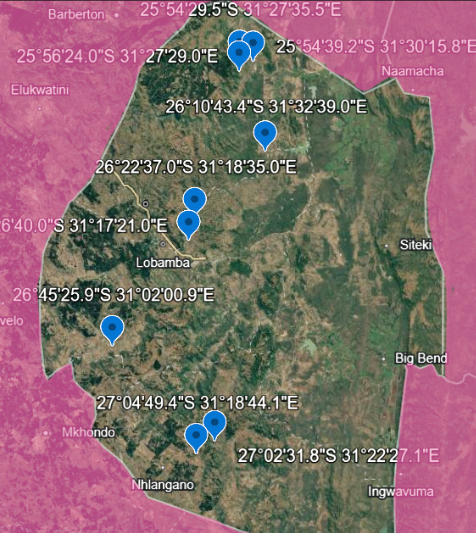
View our project sites across the Kingdom of Eswatini. Each pin represents a community where we've built bridges or installed water systems, connecting people to essential resources and opportunities.